
Foods That Reduce Joint Inflammation
Discover science-backed nutritional strategies to support joint health and comfort through informed dietary choices.
The information on this site is for educational purposes only and does not constitute medical advice. Always consult a qualified healthcare professional before making health decisions.
Understanding Joint Inflammation Through Nutrition
Joint discomfort affects millions of people worldwide. While many factors influence joint health, research demonstrates that certain foods contain bioactive compounds that support the body's natural inflammatory response and promote overall joint function.
Plant-Based Solutions
Explore vegetables, fruits, and herbs that contain natural compounds supporting your body's ability to maintain comfortable joints and overall wellness through everyday nutrition.
Omega-Rich Foods
Discover seafood and plant-based options rich in omega-3 and omega-6 fatty acids, which support the body's natural response to occasional discomfort and promote joint mobility.
Whole-Food Nutrition
Learn how integrating nutrient-dense whole foods into your daily diet can contribute to long-term joint health and support an active, comfortable lifestyle.
Top 9 Anti-Inflammatory Foods

Fatty Fish
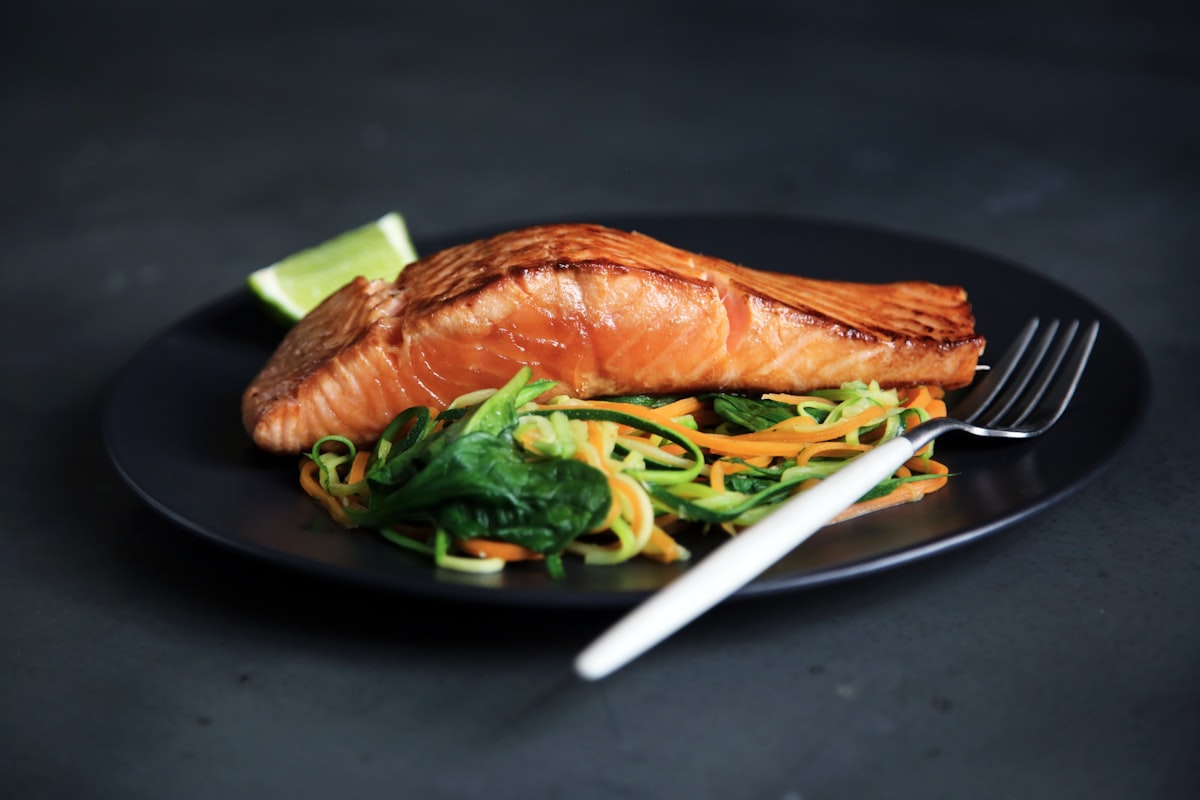
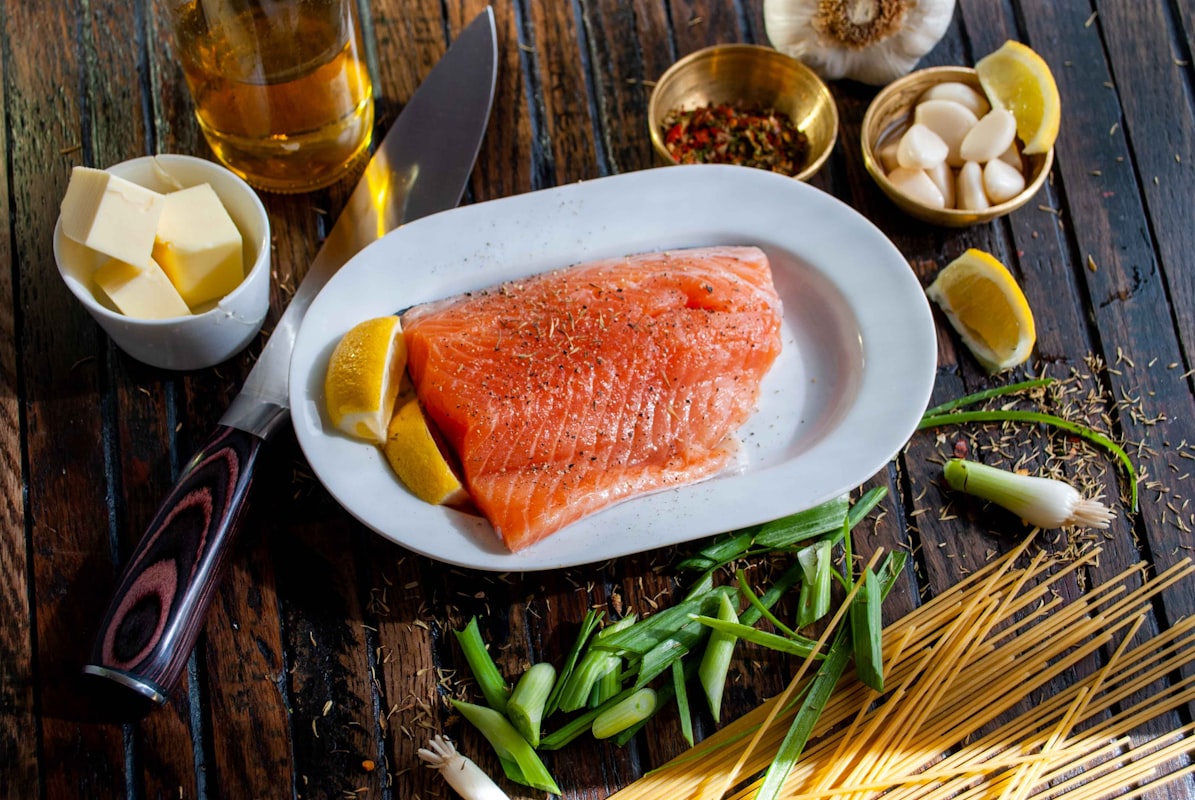
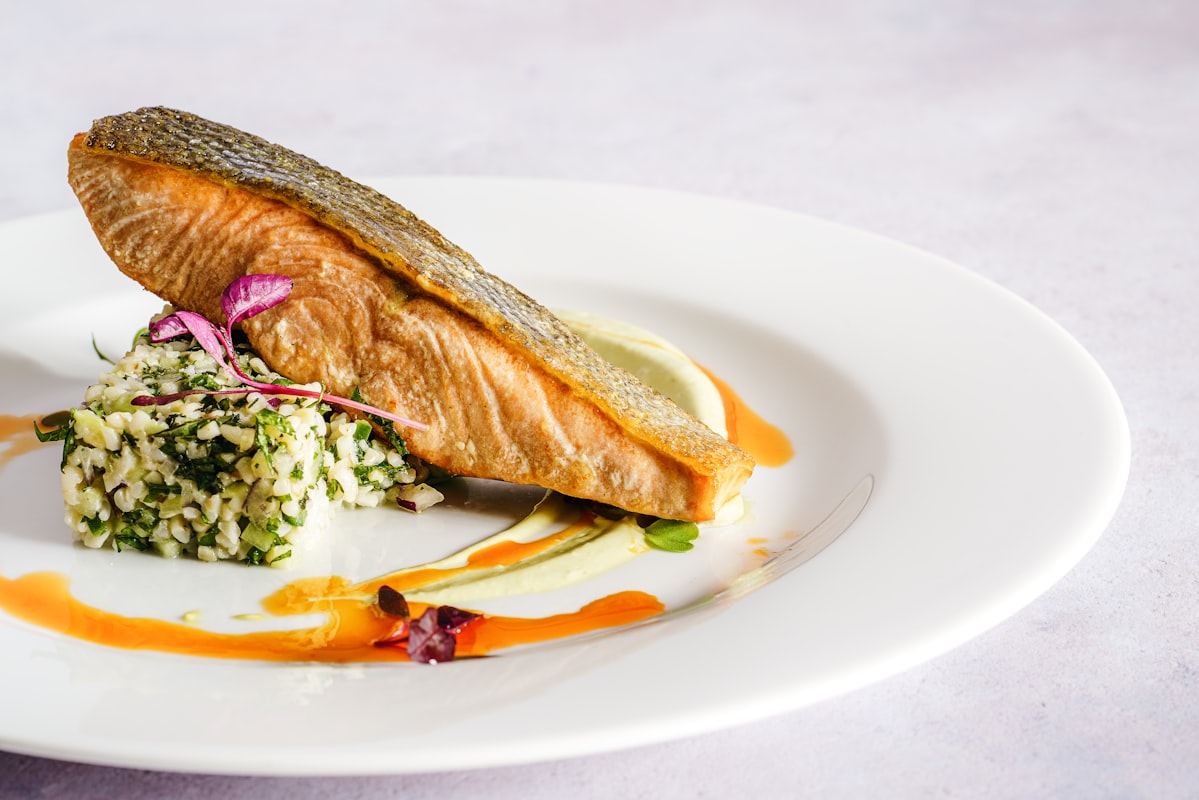
Salmon, mackerel, and sardines are rich in omega-3 fatty acids and vitamin D. These nutrients support the body's natural inflammatory response and promote joint flexibility and comfort.
Berries
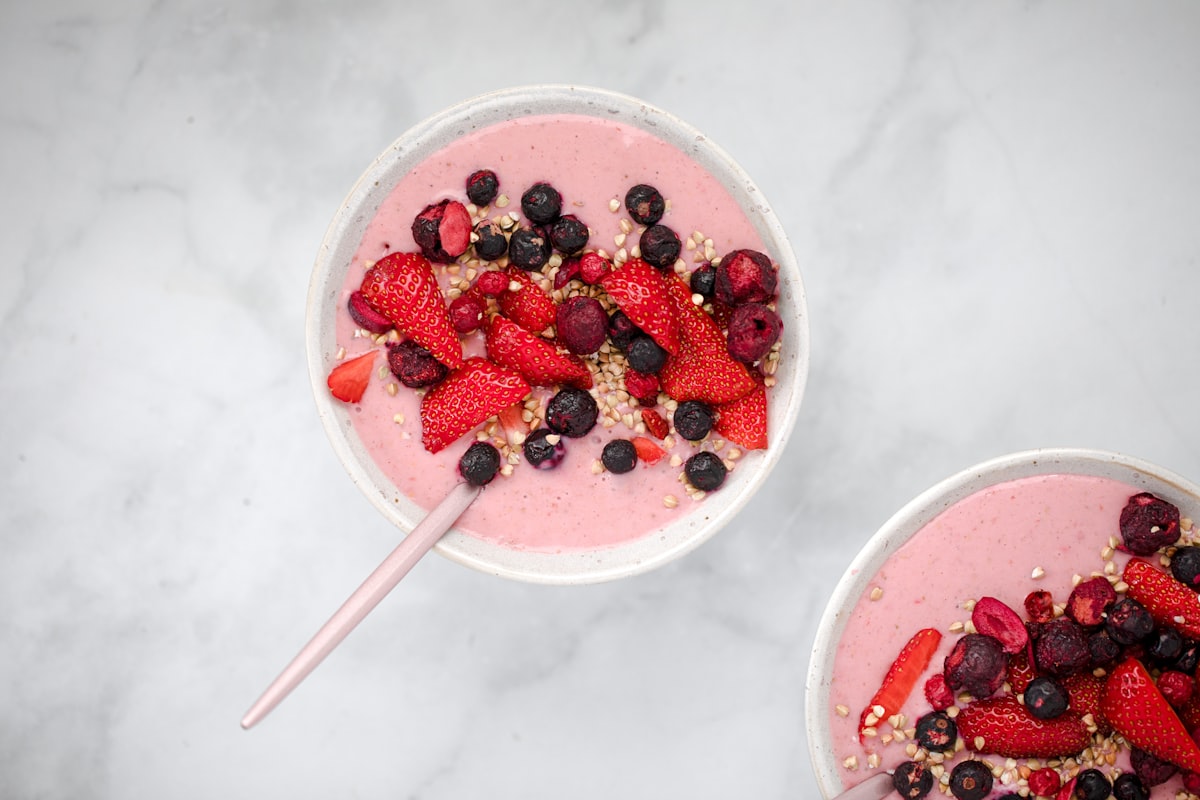
Blueberries, strawberries, and raspberries contain anthocyanins and polyphenols. These powerful antioxidants help the body maintain balanced inflammatory responses naturally.
Leafy Greens
Spinach, kale, and Swiss chard are loaded with vitamins K and C. These essential nutrients support cartilage health and help protect joint tissues from oxidative stress.
Nuts and Seeds
Almonds, walnuts, and flaxseeds provide omega-3 fatty acids and vitamin E. Regular consumption supports the body's natural inflammatory balance and joint function.
Cruciferous Vegetables
Broccoli, cauliflower, and Brussels sprouts contain sulforaphane and other compounds. These help regulate inflammatory pathways and support cartilage preservation.
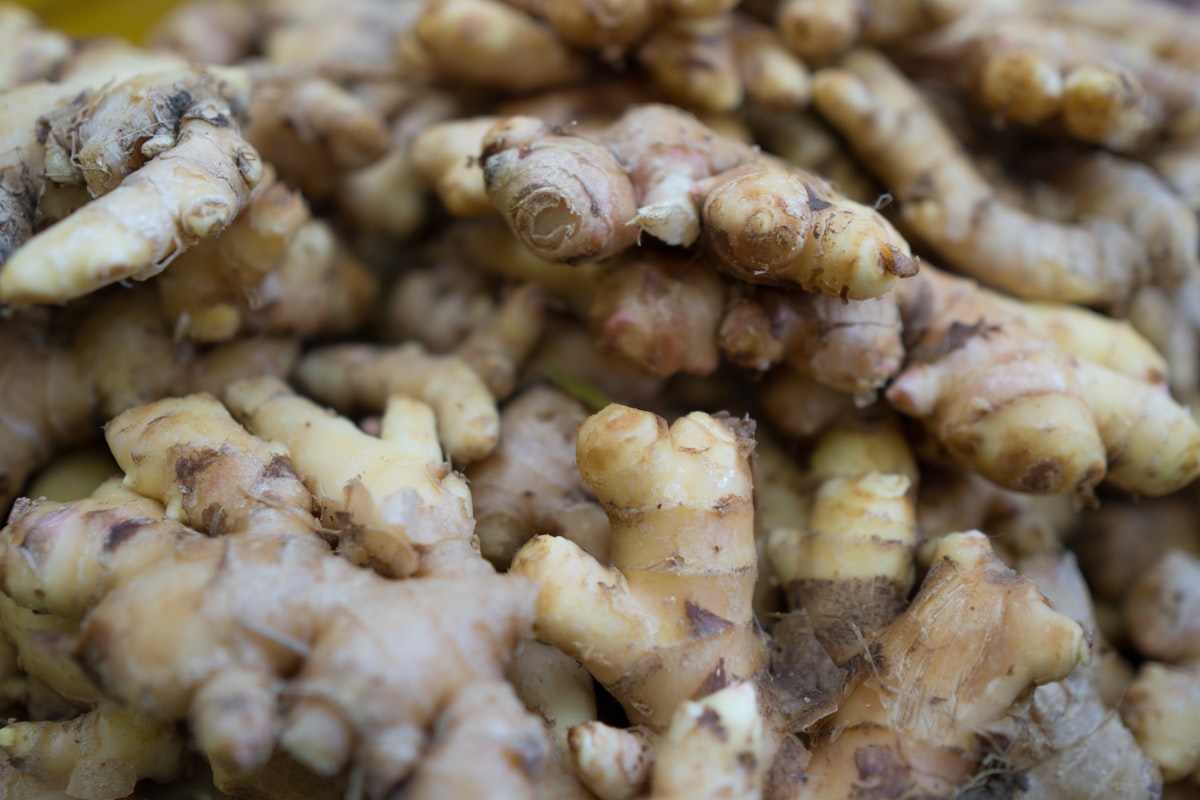
Turmeric and Spices
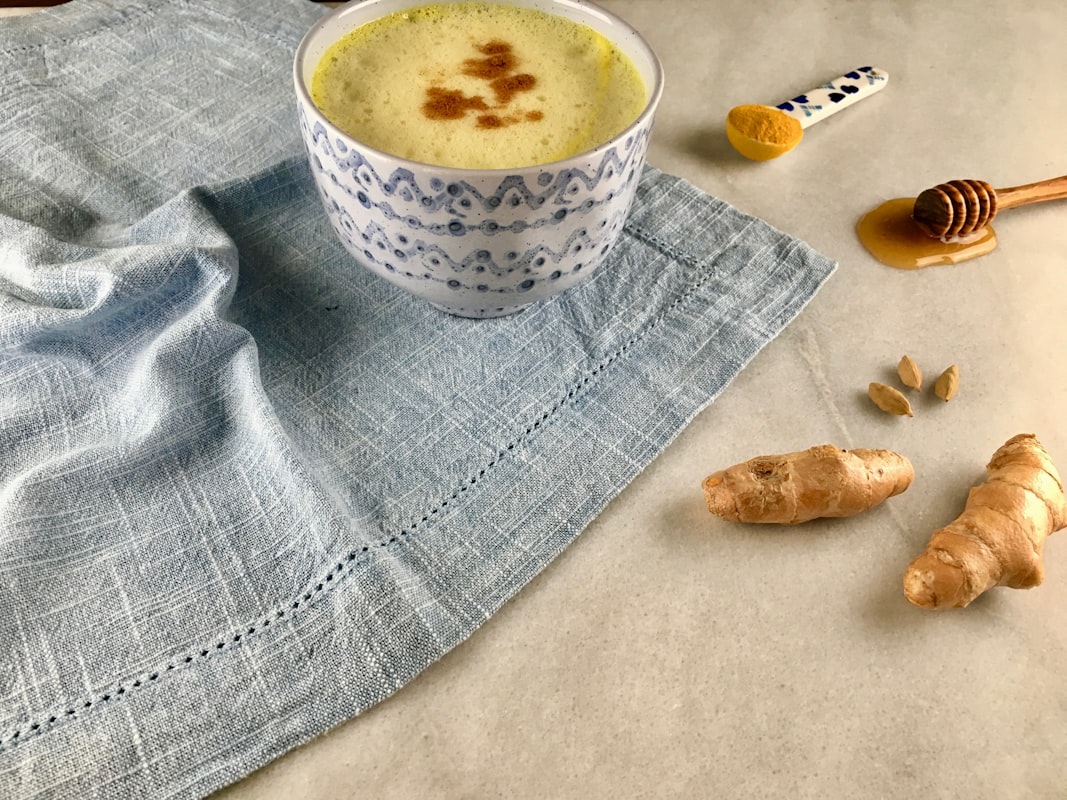
Turmeric contains curcumin, a compound with potent properties that support the body's ability to manage inflammation and maintain joint mobility naturally.

Extra Virgin Olive Oil
Rich in polyphenols and oleocanthal, extra virgin olive oil supports healthy inflammatory responses. It's a staple of diets known for joint health benefits.
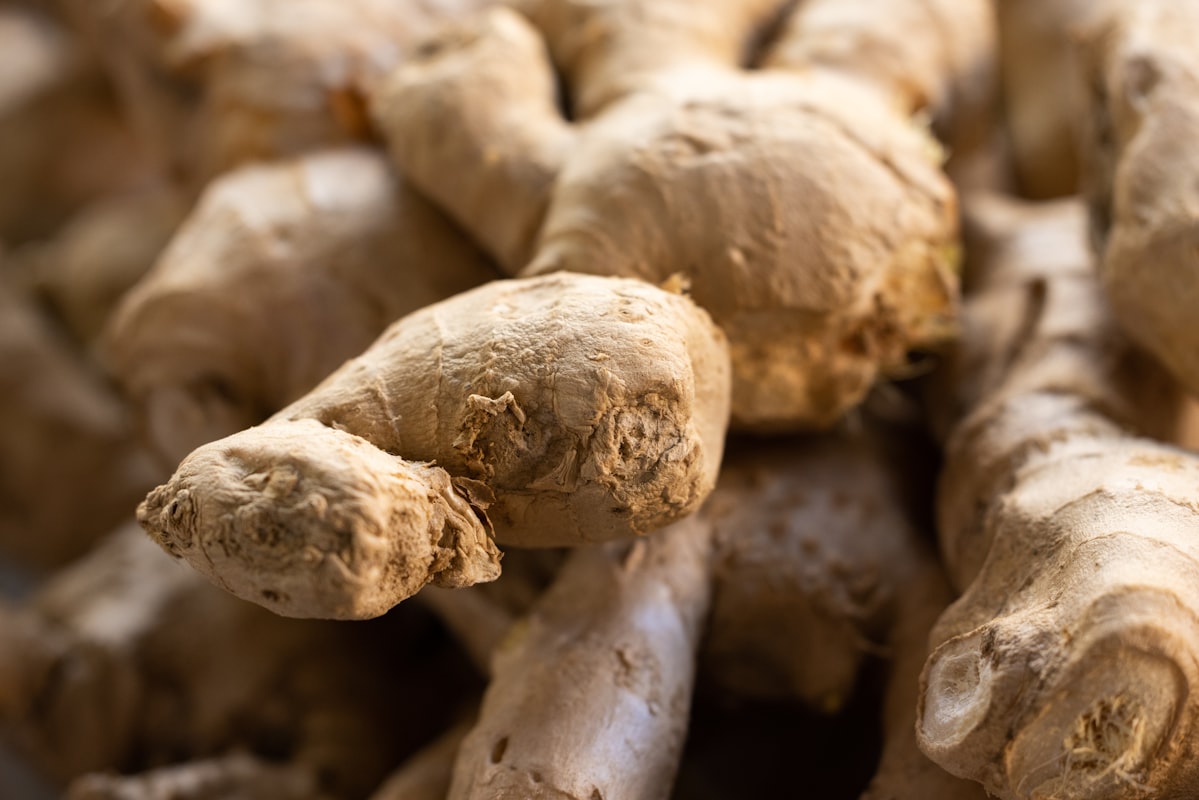
Ginger
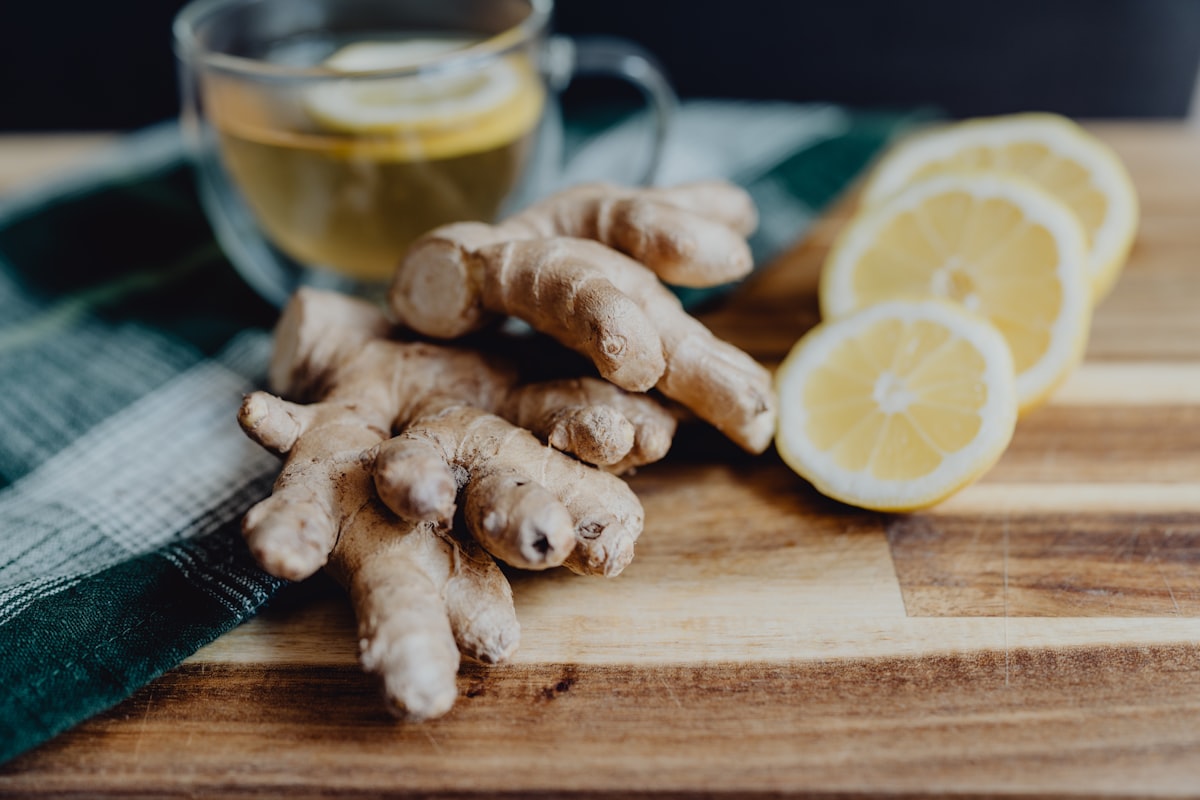
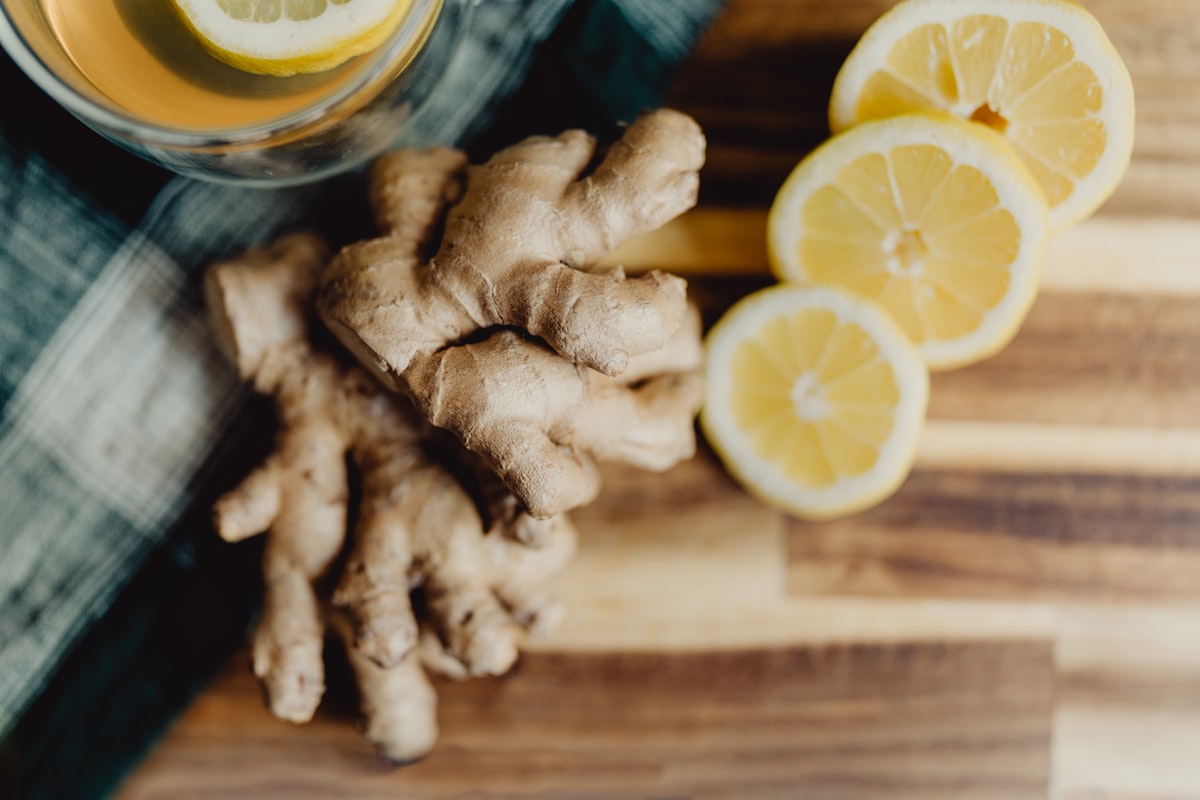
Ginger contains gingerols and shogaols, bioactive compounds that help the body maintain balanced inflammatory responses and support joint comfort.
Colorful Bell Peppers
Bell peppers are rich in vitamin C and capsanthin. These nutrients support collagen production and help protect joints from free radical damage.
Why Choose Flexibility Guide Health Lab
Evidence-Based Editorial Content
Our editorial team researches peer-reviewed scientific studies and nutrition research to provide accurate, current information about anti-inflammatory foods and joint health. We prioritize factual content over promotional messaging.
-
Science-Backed Information
Articles reference nutritional science and research on plant compounds and their effects on joint health.
-
Transparent Sourcing
We cite research sources and explain how foods interact with body systems in accessible language.
-
Practical Guidance
Learn how to incorporate these foods into meals and develop sustainable dietary habits for long-term joint support.
How Omega-3s Support Joint Health
The Natural Anti-Inflammatory Power
Omega-3 fatty acids, particularly EPA and DHA found in fatty fish, work at the cellular level to modulate inflammatory signaling pathways. These essential nutrients are incorporated into cell membranes, where they influence how your body responds to stress and maintain balanced inflammatory processes.
Alpha-linolenic acid (ALA) from plant sources like flaxseeds and walnuts converts to EPA and DHA in the body, providing a vegetarian option for obtaining these beneficial compounds. Research shows that consistent consumption of omega-3-rich foods correlates with improved joint flexibility and comfort.
Protective Action
Omega-3s help reduce pro-inflammatory molecules, protecting joint tissues from oxidative damage.
Circulation Support
These nutrients promote healthy blood flow, ensuring joints receive adequate nutrients and oxygen.
Mobility Enhancement
Regular omega-3 intake supports synovial fluid production, improving joint lubrication and range of motion.
Frequently Asked Questions
Most people report noticing positive changes within 2-4 weeks of consistently incorporating anti-inflammatory foods into their diet. However, individual responses vary based on baseline diet, overall health, activity level, and genetics. Long-term benefits typically become more pronounced after 8-12 weeks of dietary commitment. Consistency matters more than perfection—regular consumption of these foods builds cumulative benefits over time.
Diet is a powerful tool for supporting joint health, but it works best as part of a comprehensive approach. Regular movement, adequate sleep, stress management, and maintaining a healthy weight all contribute significantly to joint comfort. For specific joint concerns, consider consulting with healthcare providers who can evaluate your individual situation and provide personalized guidance. Our content provides nutritional information to complement your overall wellness strategy.
Whole foods contain complex combinations of nutrients and compounds that work synergistically—a benefit supplements cannot fully replicate. While supplements can be convenient and useful for specific needs, they don't provide the fiber, vitamins, and minerals found alongside active compounds in whole foods. Most nutrition research emphasizes food-first approaches as the foundation, with supplements filling specific gaps. Always consult with a healthcare provider before starting any new supplement regimen.
While no single food universally triggers inflammation, some people notice that refined carbohydrates, excessive sugar, highly processed foods, and certain vegetable oils promote inflammatory responses. Red meat and full-fat dairy may affect some individuals but aren't problematic for everyone. The key is paying attention to how different foods affect your personal experience. Keeping a simple food journal can help identify individual triggers. Our articles explore which foods generally support inflammatory balance and why.
Absolutely. Anti-inflammatory foods support overall child development and long-term health. Building healthy eating habits early establishes patterns that benefit joint health and general wellness throughout life. Children benefit from the same nutrient-dense foods—fatty fish, berries, leafy greens, nuts, and whole grains—adapted to age-appropriate serving sizes. Introducing these foods early creates positive associations and supports optimal nutrition during crucial growth stages. Parents should consult pediatricians for age-specific dietary guidance.
What Our Readers Say
"I discovered the detailed explanations about omega-3s and how they work in the body. The practical guidance on incorporating fatty fish into meals was exactly what I needed. After following the recommendations for eight weeks, I noticed significant improvements in my morning stiffness. This content is research-backed without being overwhelming—truly helpful for someone wanting to make informed dietary choices."
Maria Novotná
Olomouc, Czech Republic
"As someone skeptical of nutrition claims, I appreciated the transparent sourcing and scientific approach. The articles explain the 'why' behind each food recommendation, not just the 'what.' I've shared these resources with friends who also care about understanding food's role in wellness. The information has genuinely changed how I approach meal planning."
Tomáš Svoboda
Brno, Czech Republic
"I'm a busy professional looking for practical information, not lengthy nutritional textbooks. The content strikes perfect balance—detailed enough to be credible, accessible enough to implement. The section on incorporating turmeric into everyday meals solved my biggest challenge: actually using these foods consistently. Highly recommend for anyone serious about dietary changes."
Jana Procházková
Praha, Czech Republic
"What impressed me most is the honesty about what food can and cannot do—it's not presented as a magic cure, but as a foundational element of a comprehensive approach. The FAQs address real concerns instead of overselling results. I've become much more aware of how different foods affect my wellbeing since implementing these dietary recommendations. Excellent resource."
Petr Vorel
Plzeň, Czech Republic
Ready to Transform Your Joint Health Through Nutrition?
Explore our comprehensive collection of evidence-based articles about anti-inflammatory foods, dietary strategies, and practical guidance for supporting your joints through informed nutrition choices.
Subscribe to Our Newsletter
Get our latest articles and nutritional insights delivered to your inbox. We share evidence-based information about foods and dietary approaches that support joint health.
We respect your privacy. Unsubscribe at any time.