
Foods That Reduce Joint Inflammation
Discover the most effective natural foods and dietary approaches to combat joint inflammation and support long-term mobility. Our comprehensive guide explores science-backed nutrition strategies for optimal joint health.
The information on this site is for educational purposes only and does not constitute medical advice. Always consult a qualified healthcare professional before making health decisions.

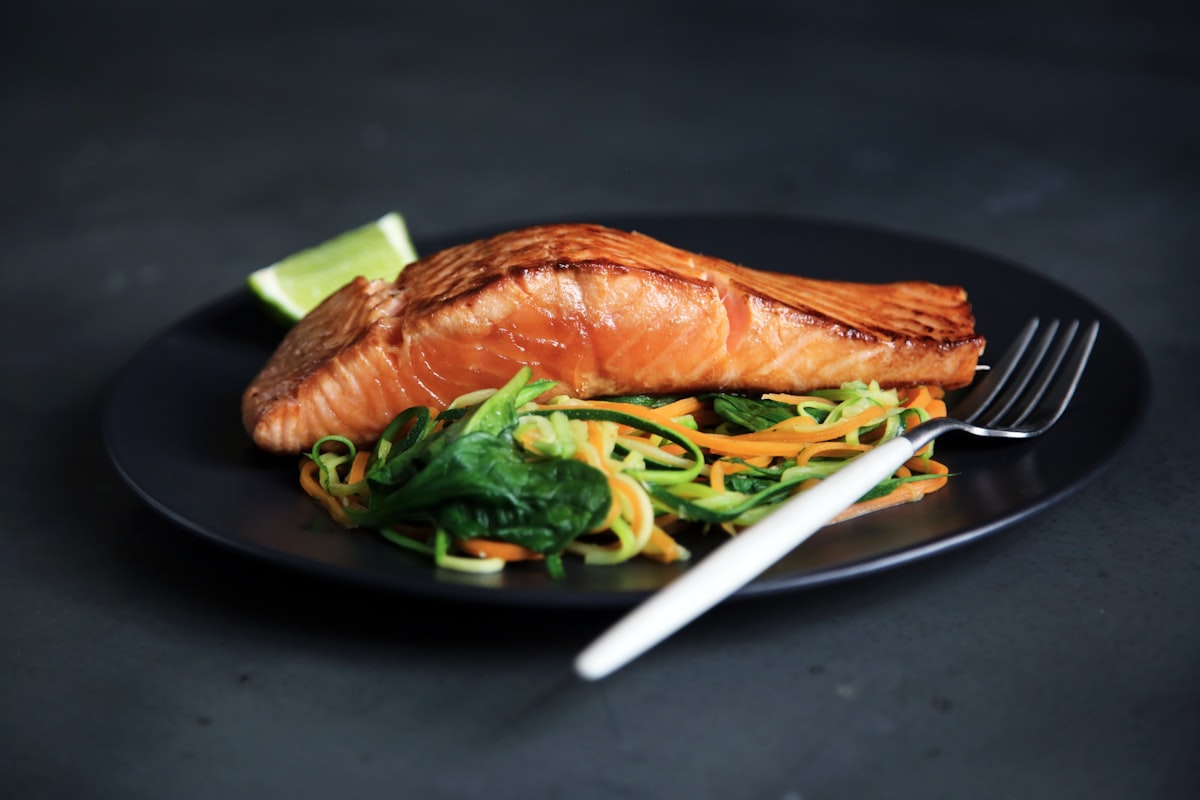
Fatty Fish & Salmon
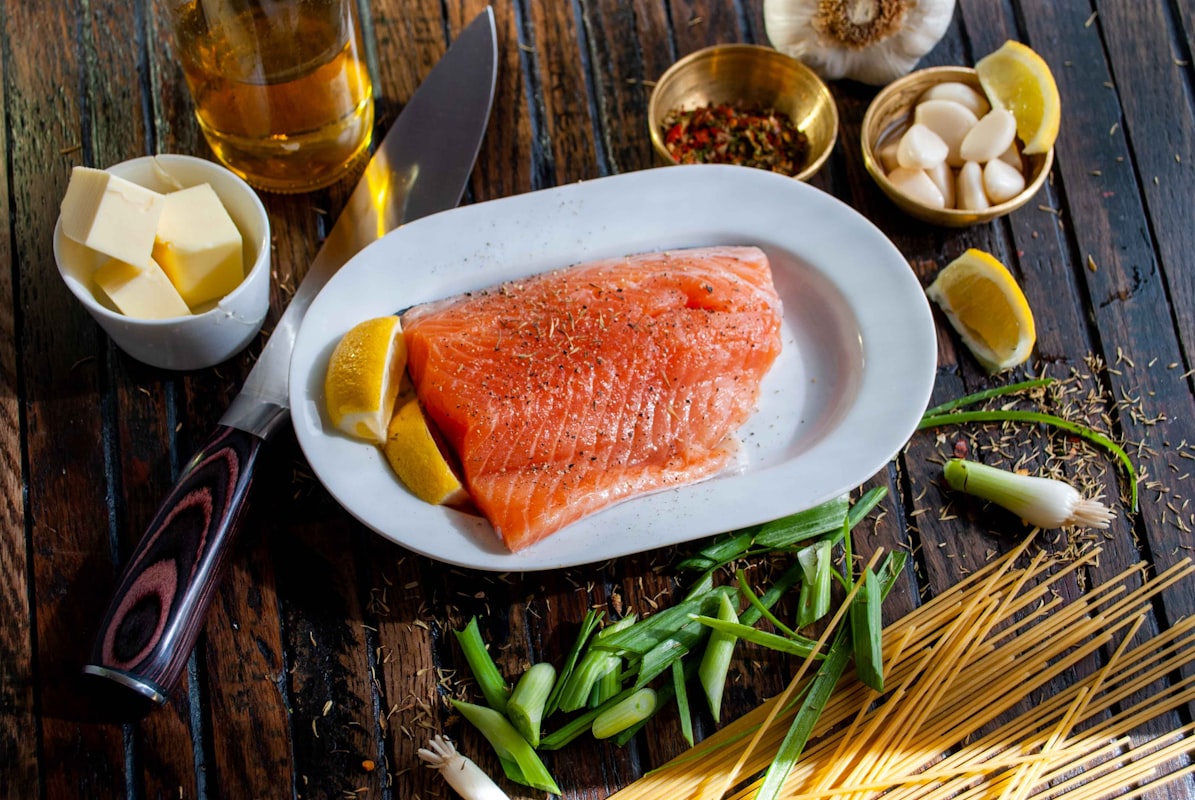
Fatty fish such as salmon, mackerel, and sardines are among the richest natural sources of omega-3 fatty acids. These essential fatty acids play a crucial role in reducing inflammatory markers throughout the body. Regular consumption of fatty fish can help decrease joint stiffness and promote flexibility. The EPA and DHA content in these fish actively modulates immune responses and reduces pro-inflammatory molecules.
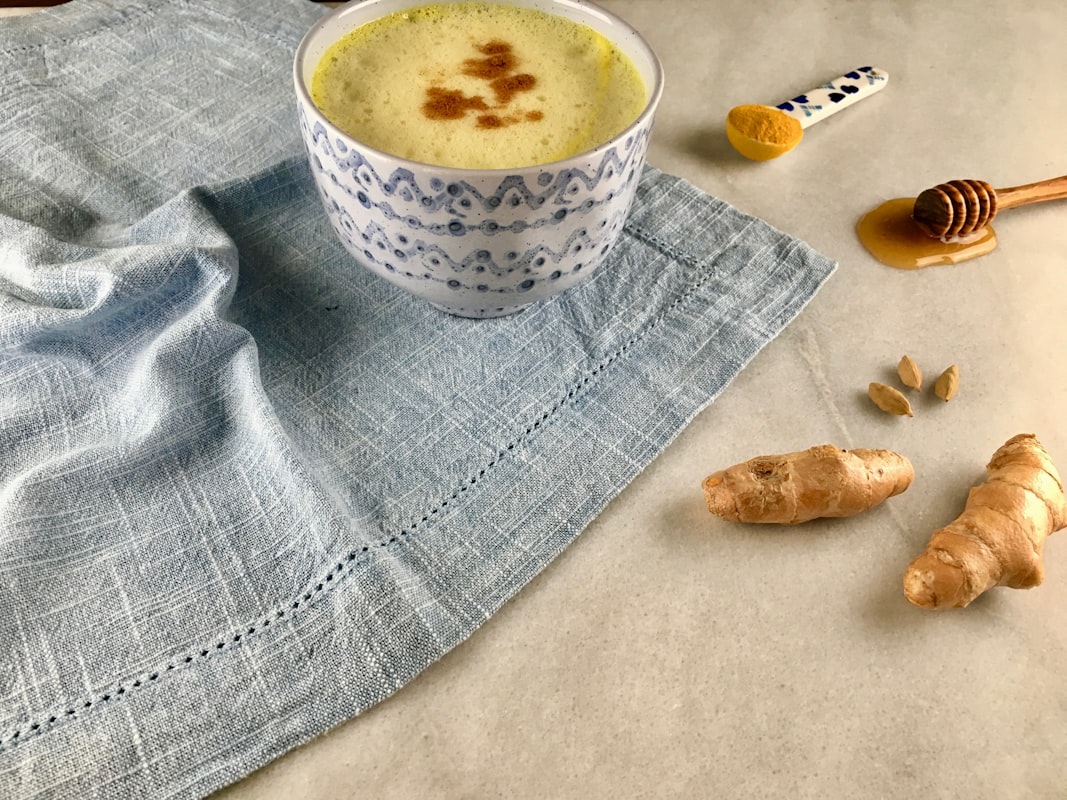
Turmeric & Curcumin
Turmeric contains curcumin, a powerful compound with well-researched properties for supporting joint comfort and flexibility. This golden spice has been used in traditional cuisine for thousands of years and is now recognized globally for its role in maintaining normal inflammatory responses. When combined with black pepper, which contains piperine, curcumin absorption in the body increases significantly. Adding turmeric to meals or warm beverages creates a simple dietary strategy for joint support.
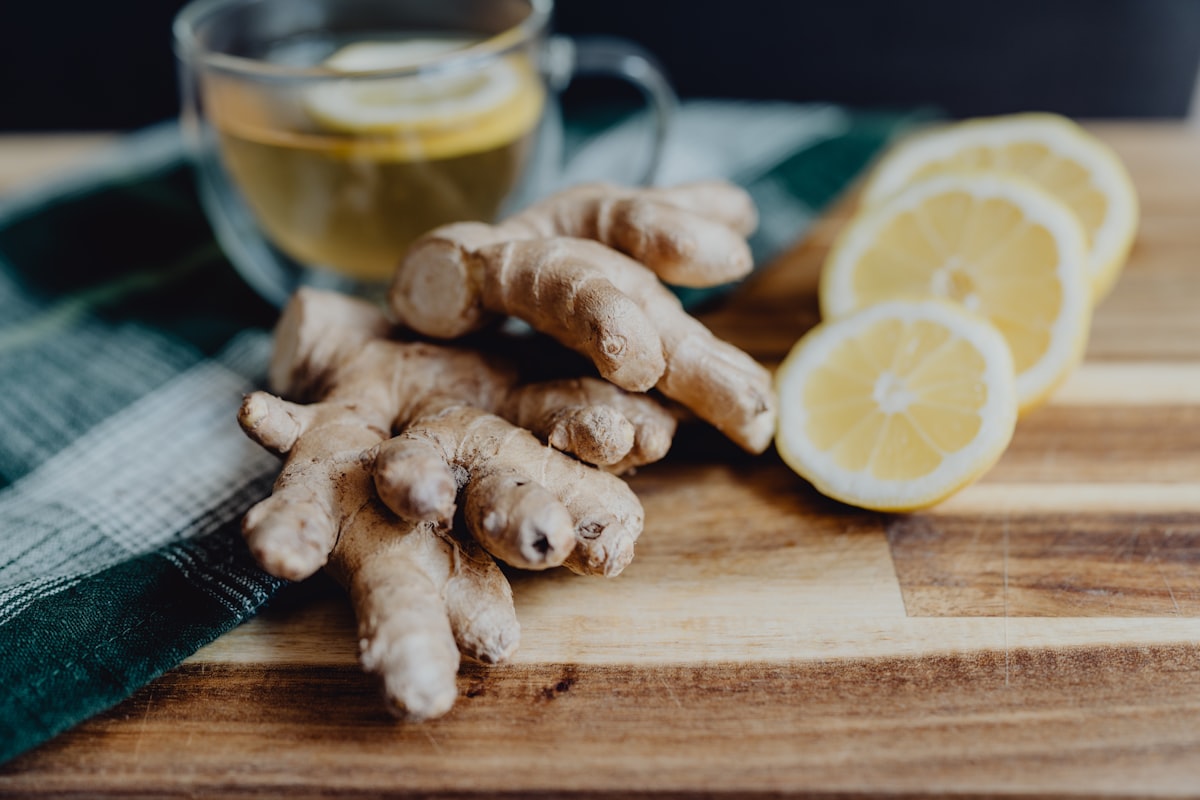
Berries & Antioxidants
Blueberries, raspberries, strawberries, and blackberries are loaded with anthocyanins and other antioxidants that help protect joint tissue. These colorful fruits contain compounds that work at the cellular level to maintain normal inflammatory balance throughout the body. Berries are versatile additions to breakfast bowls, smoothies, or eaten fresh as snacks. Their natural sweetness makes them an appealing choice for those seeking to improve their nutritional intake without complex meal preparation.
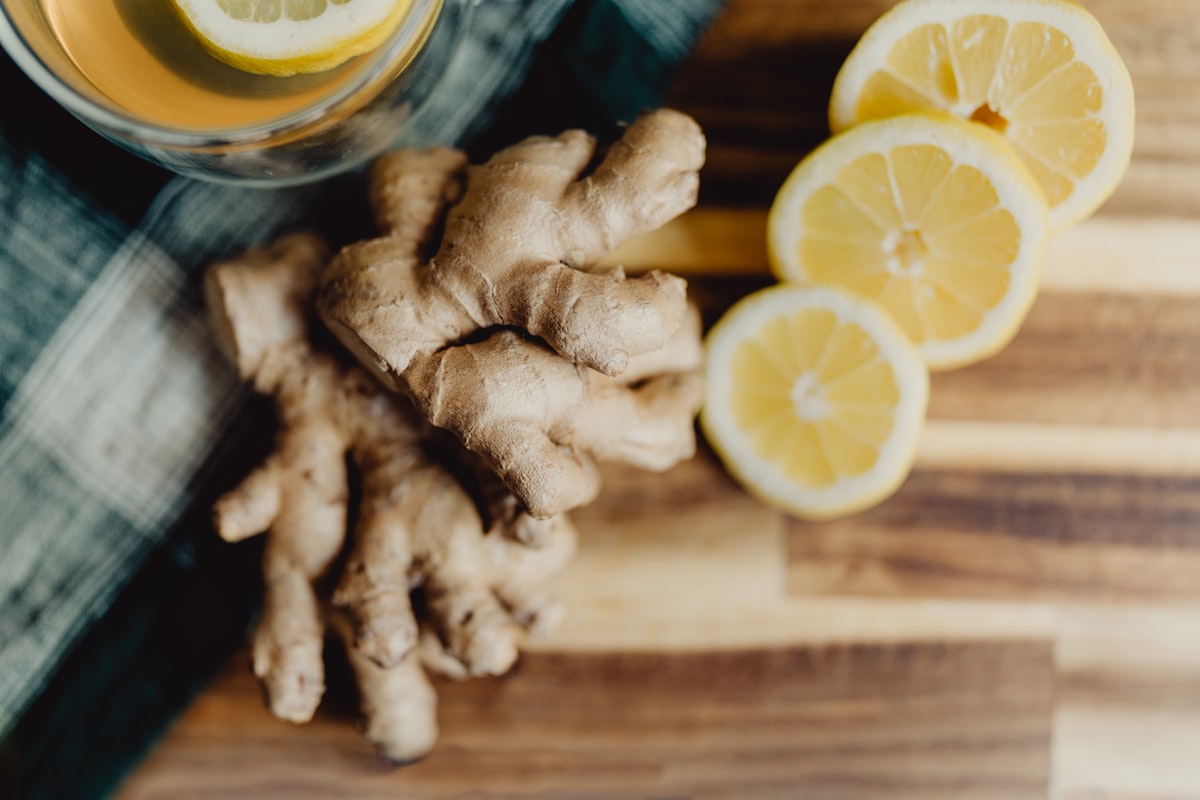
Leafy Green Vegetables
Spinach, kale, and other dark leafy greens contain vitamins K and C, which are essential for maintaining cartilage structure and collagen integrity. These vegetables are also rich in various minerals and phytonutrients that support the body's natural mechanisms for managing joint comfort. Incorporating leafy greens into salads, soups, or sautéed dishes provides a foundation for joint-supporting nutrition. The variety of greens available means you can rotate options to ensure diverse nutrient intake throughout the week.
Extra Virgin Olive Oil
Extra virgin olive oil contains oleocanthal, a natural compound with properties similar to certain joint-supporting approaches used across the Mediterranean region. This oil is a staple of the Mediterranean diet, which has been extensively studied for its benefits to overall health and mobility. Using quality olive oil as a dressing for salads or drizzling over vegetables provides an easy way to incorporate this beneficial oil into daily meals. The polyphenols present in quality olive oil contribute to maintaining normal inflammatory responses in the body.
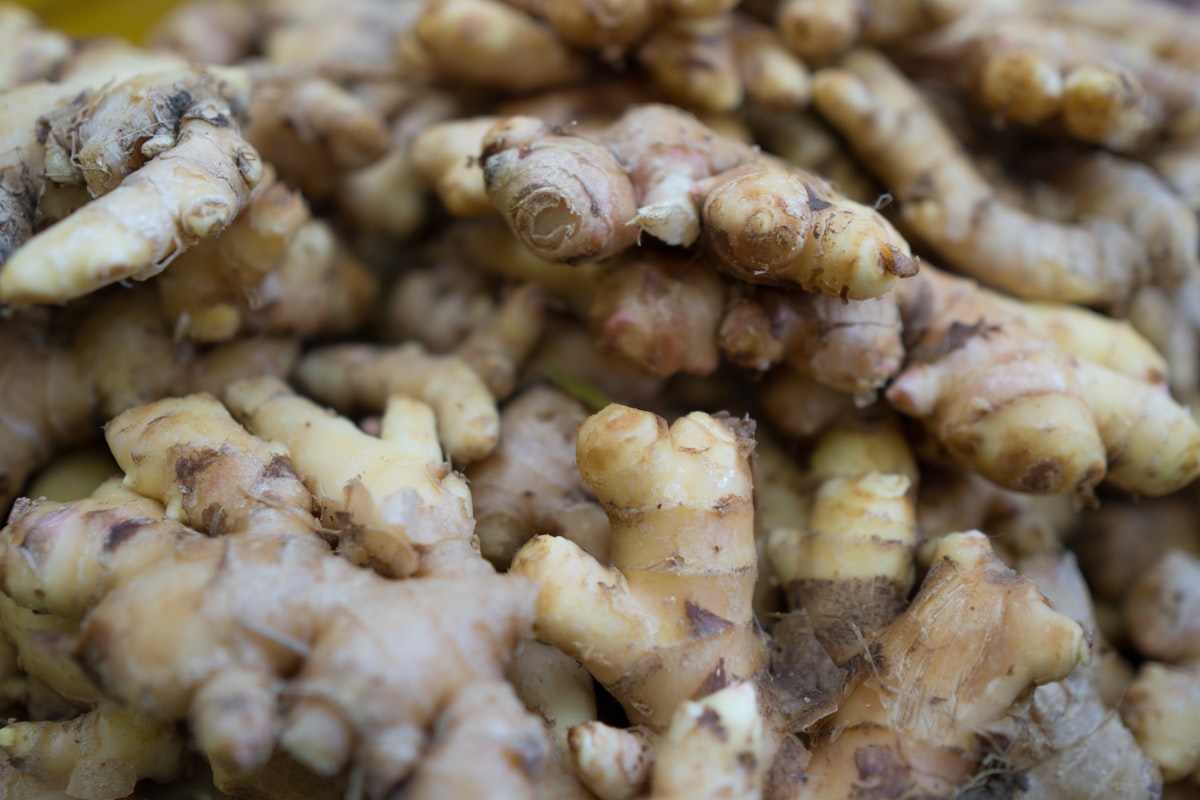
Fresh Ginger Root
Ginger contains gingerols and shogaols, compounds that have been studied for their role in supporting joint comfort and mobility. This aromatic root has been used in Asian cuisine and traditional health practices for centuries. Fresh ginger can be added to teas, stir-fries, smoothies, or baked goods to provide both flavor and potential joint support. The warming properties of ginger make it particularly popular in cold-weather beverages and curries.

Nuts & Seeds
Walnuts, almonds, and flaxseeds are excellent plant-based sources of omega-3 fatty acids and other beneficial nutrients. These foods provide additional minerals like magnesium and zinc, which play important roles in maintaining joint structure and function. Nuts and seeds make convenient snacks and can be easily incorporated into salads, breakfast cereals, or baked goods. Their versatility allows for creative dietary integration while supporting overall nutritional needs.
Colorful Bell Peppers & Tomatoes
Red and yellow bell peppers are rich in vitamin C, which is essential for collagen synthesis and maintaining joint cartilage integrity. Tomatoes contain lycopene, a powerful antioxidant that helps maintain normal inflammatory responses. The vibrant colors of these vegetables indicate different beneficial compounds, so varying your choices ensures diverse nutritional intake. These foods add flavor and nutrition to salads, stir-fries, and numerous Mediterranean-inspired dishes.
Understanding Joint Inflammation
Joint inflammation is a natural response of the body, but chronic inflammation can affect mobility and comfort. A thoughtful approach to nutrition can significantly support your body's natural inflammatory balance.
The Role of Diet in Joint Health
The foods we consume directly influence our body's inflammatory responses. Certain nutrients have been extensively studied for their ability to support the body's natural mechanisms for managing inflammation. A diet rich in omega-3 fatty acids, antioxidants, and specific vitamins creates an environment where joints can thrive.
Rather than viewing joint support as a single intervention, it is best approached as a comprehensive lifestyle strategy. Nutrition works synergistically with physical activity, adequate hydration, and stress management to create optimal conditions for joint comfort and mobility.
The Mediterranean diet, which emphasizes many of the foods featured in this guide, has been the subject of numerous research studies examining its effects on overall health and joint function. Adopting these dietary principles offers both immediate improvements and long-term benefits for joint health.
Practical Implementation Guide
Moving from knowledge to action requires practical strategies. Here is a structured approach to incorporating anti-inflammatory foods into your daily routine.
Start with Breakfast
Include berries in your morning oatmeal or smoothie. Add ground flaxseed or walnuts for extra omega-3 content. This sets a positive tone for the entire day and provides immediate nutritional benefits.
Build Balanced Lunches
Create meals that include a protein source like fish, paired with leafy greens and colorful vegetables. Dress with extra virgin olive oil and add fresh ginger or turmeric for enhanced benefits.
Prepare Nutrient-Rich Snacks
Keep almonds, walnuts, or seeds readily available for quick snacking. Prepare vegetable platters with hummus for added convenience. These options support consistent nutrient intake between meals.
Create Evening Rituals
Prepare warming ginger or turmeric tea in the evening. Include fatty fish 2-3 times weekly in dinner preparations. These habits support overnight recovery and consistent joint support.
Subscribe to Our Nutrition Insights
Receive our latest articles on foods that support joint health and mobility. Our editorial team regularly publishes evidence-based information to help you make informed dietary choices.
We respect your privacy. Unsubscribe anytime from our footer.
Frequently Asked Questions
Common questions about joint health and anti-inflammatory nutrition answered by our editorial team.
The timeline for experiencing benefits varies among individuals. Some people report improvements in flexibility and comfort within 2-3 weeks of consistent dietary changes. Others may require 6-8 weeks to notice significant effects. The key is consistency—regular inclusion of anti-inflammatory foods works best when maintained over time as part of a long-term lifestyle approach.
Nutrition is one component of a comprehensive approach to joint health. For optimal results, combine dietary improvements with regular physical activity, adequate sleep, stress management, and proper hydration. If you have existing joint concerns, consult with healthcare professionals to develop a complete strategy tailored to your individual needs.
While adding anti-inflammatory foods is beneficial, some people find that reducing highly processed foods, refined sugars, and excessive alcohol supports their joint comfort. Individual responses vary significantly. Many people benefit from keeping a food journal to identify personal triggers or foods that seem to affect their experience of joint stiffness or comfort.
General recommendations include eating fatty fish 2-3 times weekly, incorporating colorful vegetables at multiple meals, and adding herbs and spices generously to foods. However, optimal intake varies based on individual needs, overall diet, and health status. A balanced approach that includes variety ensures you receive diverse nutrients without excessive amounts of any single food.
Yes. By supporting the body's natural inflammatory balance and providing nutrients essential for cartilage and connective tissue health, these foods create conditions favorable for improved mobility. When combined with appropriate movement practices and strength training, proper nutrition can contribute significantly to maintaining and enhancing flexibility over time.
Our editorial team regularly publishes recipe articles and meal planning guides on our platform. Browse our articles section to find specific recipes featuring these anti-inflammatory ingredients. Mediterranean and Asian cuisine resources also provide excellent inspiration for preparing these foods in delicious and nutritious ways. Feel free to reach out with recipe questions or feature requests via our contact form.
What Our Readers Say
Stories from individuals who have incorporated these foods into their daily routines and experienced positive changes in their mobility and overall health.
Your guide completely changed how I approach my diet. I started incorporating more fatty fish and colorful vegetables, and within a month I noticed I could move more freely throughout my day. The practical tips made it easy to implement without overwhelming changes. I especially appreciate the clear explanations about how each food works in the body.
Maria K. 5.0/5
Prague, Czech Republic
As someone who has struggled with morning stiffness, finding this resource was exactly what I needed. The science behind each food is explained in an accessible way, and I love that the guide focuses on whole foods rather than supplements. The morning stiffness has noticeably decreased, and I feel more flexible during exercise.
Josef N. 4.9/5
Brno, Czech Republic
Comprehensive Nutrition Education
Our editorial team has created this guide based on current nutritional science and practical experience. We believe in empowering readers with knowledge to make informed dietary choices that support their individual health goals.
Evidence-Based Content
Every recommendation is backed by peer-reviewed research and nutritional guidelines.
Expert Contributors
Nutritionists, wellness coaches, and health professionals contribute their expertise.
Practical Guidance
We translate complex nutrition science into actionable steps you can implement today.
What Readers Are Saying
"This guide completely changed how I approach my nutrition. The information is clear, backed by science, and easy to implement. I've seen real improvements in my energy levels and overall health."
Sarah M.
Fitness Enthusiast
"As a health coach, I recommend this guide to all my clients. It's comprehensive, well-researched, and presents information in a way that's accessible to everyone regardless of their background."
James K.
Certified Health Coach
"I've tried countless diet guides, but this one is different. It focuses on sustainable habits rather than quick fixes. My whole family has adopted these principles."
Emma T.
Parent & Wellness Advocate
"Finally, a nutrition resource that doesn't promote extreme restrictions. The balanced approach has helped me develop a healthier relationship with food while achieving my wellness goals."
Michael R.
Corporate Wellness Participant
Ready to Transform Your Nutrition?
Start your journey toward better health with our comprehensive nutrition guide. Download or explore sections today and take the first step toward a more balanced, flexible approach to eating.
Download the Guide